Hurricane Helene's Impact on the Lake Lure Fishery: What We Learned
By Gary Hasenfus, Lake Advisory Board Member and Fishing Enthusiast
One of the questions we've heard most often since Hurricane Helene is: How did the storm affect the fishery in Lake Lure?
This has been an important concern not only for those who fish, but for everyone who cares about the long-term health of our lake and its ecosystem.
To answer that question, the Town of Lake Lure conducted a comprehensive fishery assessment on June 1–2, 2026, with assistance from Southeastern Pond Management. This evaluation followed the same scientific methods used in previous fishery studies, allowing for meaningful comparisons over time.
The Town's first fishery study was completed in 2007, establishing a baseline to evaluate the health of the lake's fish populations and identify opportunities for improvement. That study found that Black Bass, (Largemouth and Smallmouth Bass) were among Lake Lure's greatest fishery assets. Recommendations included enhancing habitat and annually stocking Threadfin Shad, an important forage fish that serves as a primary food source for bass.
Those recommendations have guided fishery management efforts for nearly two decades. By 2023, follow-up studies showed that Lake Lure supported a healthy, balanced, and thriving fish population, demonstrating significant progress toward the goals established in 2007.
Assessing the Effects of Hurricane Helene
The primary purpose of the 2026 study was to evaluate how Hurricane Helene affected the lake's fish populations.
The encouraging news is that the overall fishery remains healthy.
Biologists from Southeastern Pond reported a smaller number of three-, four-, and five-inch about Bluegill. These size classes are especially important because they provide a valuable food source for bass.
The study also found that Largemouth Bass ranging from two to seventeen inches in length showed little overall change compared to the 2023 assessment. Most bass measuring ten to fourteen inches were determined to be approximately two to three years old using the otolith aging method, again reflecting only minor differences from previous studies.
While Hurricane Helene was catastrophic for the Lake Lure watershed, the fish population itself appears to have weathered the storm remarkably well. Researchers did observe that some three- and four-year-old bass were slightly smaller than expected, likely due to reduced feeding opportunities during the extended period of muddy water following the storm.
Another significant impact was the loss of much of the underwater habitat created by submerged trees and woody debris, which provide shelter and feeding areas for fish. Fortunately, the local team of volunteers and Public Works staff replaced over three hundred recycled Christmas trees in Lake Lure this spring.
Recommendations for the Future
Based on the findings, Southeastern Pond Management recommends continuing the Town's long-term fishery management strategy by:
- Adding fish habitat throughout the lake.
- Stocking Threadfin Shad annually to maintain a healthy forage base.
- Encouraging fishermen to harvest smaller Largemouth Bass (13 inches or less) to reduce competition for food and allow larger bass to continue growing into trophy-size fish.
What Anglers Should Know
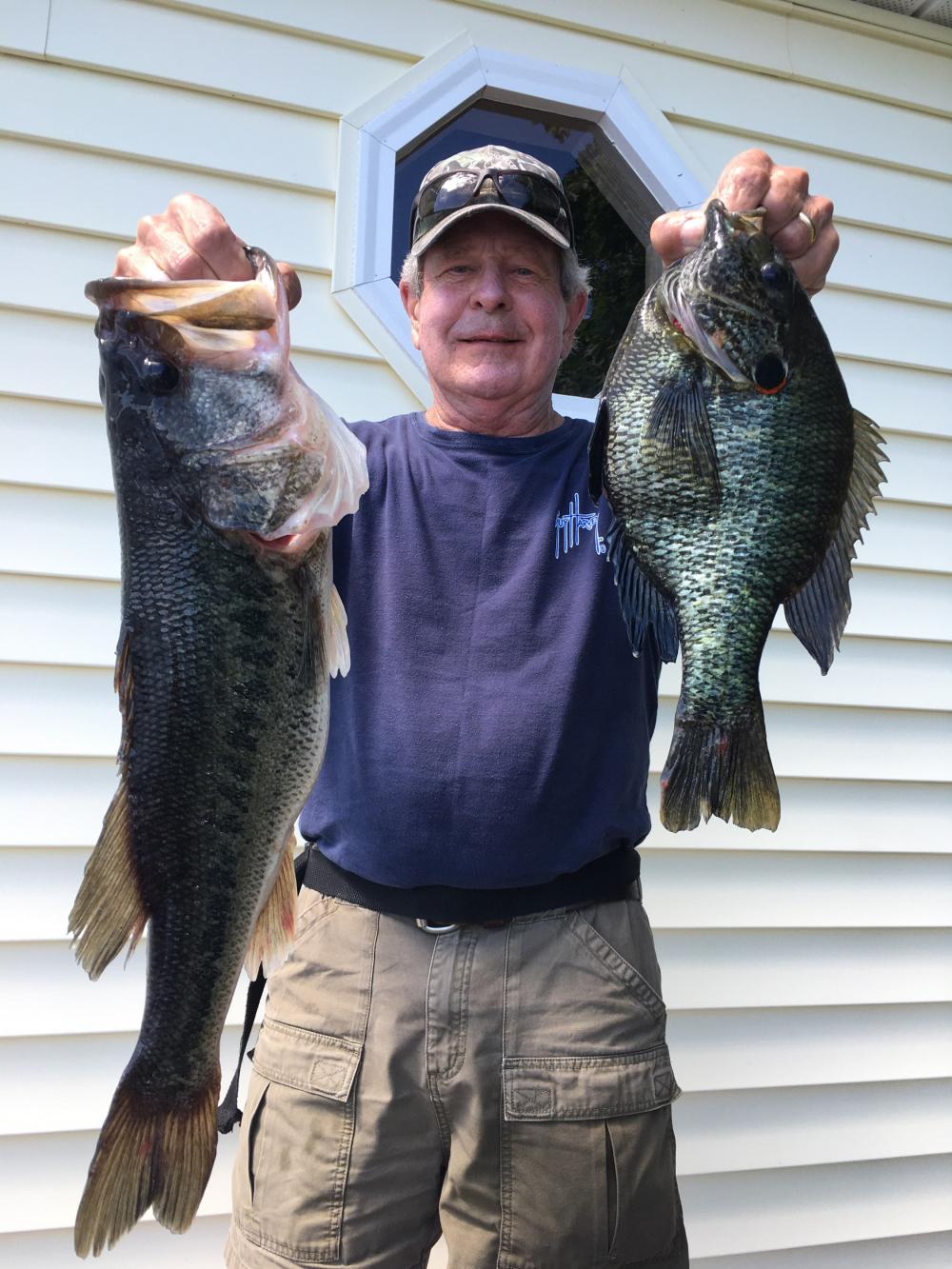
If you enjoy fishing for Largemouth Bass (not Smallmouth Bass), you can help improve the fishery by harvesting smaller bass that are 13 inches or less.
Current regulations allow anglers to keep five Black Bass (Largemouth and Smallmouth combined) per person per day, with up to two of those fish measuring less than 14 inches. Harvesting smaller Largemouth Bass helps improve growth rates for larger fish and supports a healthier overall bass population. As an added bonus, Lake Lure's Largemouth Bass are excellent table fare.
Looking Ahead
So, what effect did Hurricane Helene have on the Lake Lure fishery?
According to the 2026 study, the overall fish population has remained resilient, with only minor changes compared to the 2023 assessment. Although fish experienced challenges from months of muddy water and the loss of important underwater habitat, the lake continues to support a healthy fishery.
Even more encouraging, anglers have reported good to excellent fishing throughout the spring season, a promising sign that Lake Lure's fishery is recovering well.
The Town remains committed to protecting and enhancing this valuable natural resource through ongoing habitat restoration, responsible fishery management, and continued monitoring.
The verdict? Lake Lure's fishery is proving to be as resilient as our community. So, grab your rod and reel—it's time to go fishing!